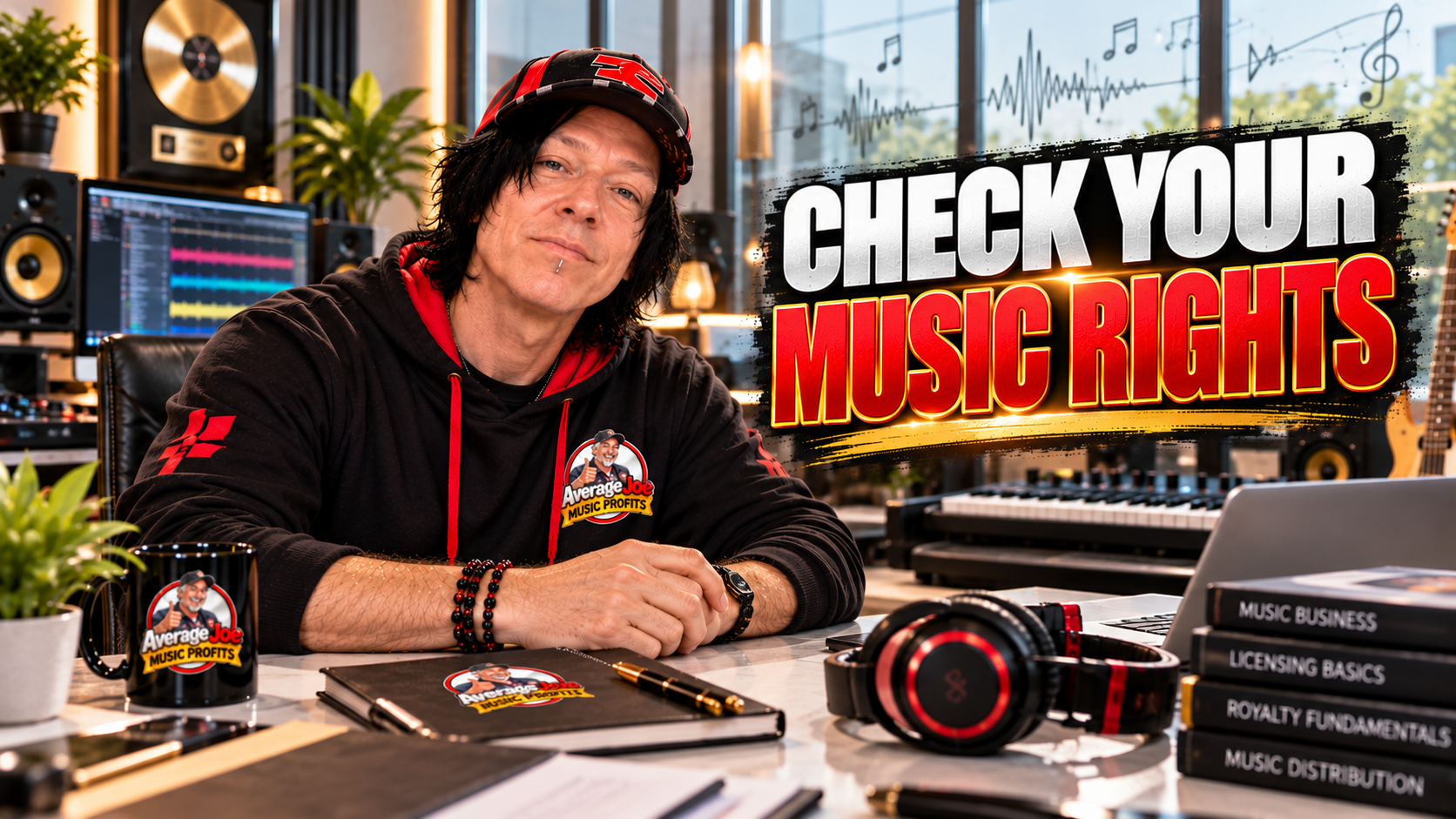
Yes, you can legally sell AI-generated songs in some circumstances, but permission depends on the AI music tool’s terms, the rights associated with the material used, applicable copyright law, and the marketplace’s rules. Generating a song does not automatically give you unrestricted ownership or commercial-use rights. Before exploring a music-selling system such as Average Joe Music Profits, understand the licensing conditions and verify that each track is eligible for commercial sale.
Can You Legally Sell AI-Generated Music?
AI-generated music can be commercially usable when the relevant tool permits commercial use and the track complies with applicable laws and marketplace requirements. However, there is no universal rule that every AI-generated song can be sold without restrictions.
The terms can differ between AI music services, subscription plans, and marketplaces. Some services may allow commercial use only under particular plans or conditions. Others may impose restrictions on distribution, attribution, licensing, or the use of certain generated outputs.
Copyright protection is a separate question from contractual permission. A service may allow you to use or sell an output under its terms, but that does not necessarily mean every element of the song qualifies for copyright protection or that you have exclusive rights over it.
1. Check the AI Music Generator’s Terms
Before creating music for sale, read the current terms of the AI music generator you plan to use. Do not rely solely on a general statement that the platform supports creators or commercial projects.
Look for specific answers to these questions:
- Commercial use: Does your current plan permit you to sell or license generated songs?
- Ownership and licensing: What rights does the service grant you, and does it retain any rights over the outputs?
- Plan restrictions: Are commercial permissions limited to paid subscriptions or particular account types?
- Distribution: Are there restrictions on uploading tracks to third-party marketplaces or music libraries?
- Attribution: Must you identify the AI tool or provide any other credit?
- Changes to terms: Which terms apply to tracks created under your account and subscription?
Save a copy of the applicable terms and any relevant license confirmation. If the wording is unclear, seek clarification from the service before selling the track.
2. Understand Copyright and Human Contribution
Having permission to use AI-generated music commercially does not automatically establish that you own an exclusive copyright in every part of the result. Copyright treatment of AI-generated material varies by jurisdiction and may depend on the level and nature of human creative contribution.
For example, a person who makes meaningful creative decisions, edits musical elements, arranges material, or contributes original lyrics may have a different rights position from someone who simply generates an output with a short prompt. The legal outcome depends on the applicable law and the specific circumstances; adding a prompt or making minor edits does not automatically guarantee copyright protection.
Also avoid including copyrighted lyrics, recognizable samples, or other third-party material unless you have the necessary permission. Do not assume that an AI-generated result is automatically free of infringement risks just because a tool produced it.
3. Review the Music Marketplace Rules
Even when an AI tool permits commercial use, the marketplace where you want to sell the song may apply additional restrictions. Some platforms may require disclosure of AI-generated content, impose originality standards, limit certain types of content, or prohibit uploads that do not meet their licensing requirements.
Before listing a track, verify:
- Whether AI-generated songs are accepted on the platform.
- Whether AI use must be disclosed in the listing or metadata.
- Which audio formats, quality standards, and metadata fields are required.
- Whether you can offer the intended commercial license to buyers.
- Whether the platform requires you to confirm ownership or permission for all included material.
Never claim exclusive ownership or broader usage rights than you can substantiate. If a marketplace’s rules conflict with the AI tool’s terms, do not upload the track until the conflict is resolved.
4. Keep Records of Your Music Creation Process
Good records can help you understand the permissions associated with each track and respond to questions about how it was produced. For every song you plan to sell, retain relevant information such as:
- The AI music service and subscription plan used.
- The applicable commercial-use terms at the time of creation.
- Your prompts, edits, arrangements, and other human contributions.
- Details of any samples, lyrics, or third-party assets used.
- The marketplace’s relevant submission and licensing requirements.
These records do not guarantee copyright protection, but they can make it easier to review your rights and demonstrate how you approached compliance.
Can Average Joe Music Profits Help You Sell AI Music?
Average Joe Music Profits is promoted as a beginner-oriented workflow involving AI-assisted song creation and marketplace-based monetization. However, the existence of a guided workflow does not itself establish that every generated song is legally eligible for sale or that users will earn money.
Anyone considering the product should independently check the AI tools involved, the relevant commercial-use terms, and the rules of the intended marketplace. For more information about its advertised features, pricing context, and optional upgrades, read the Average Joe Music Profits review.
Common Mistakes to Avoid
- Assuming every AI-generated song automatically belongs to you exclusively.
- Using a plan that does not permit commercial use.
- Uploading music without checking marketplace policies.
- Including copyrighted lyrics or samples without permission.
- Promising buyers rights that your own license does not grant.
- Confusing permission to sell a track with a guarantee that the track is copyright-protected.
Final Verdict: Are AI-Generated Songs Legal to Sell?
AI-generated songs can be sold legally when the applicable permissions, laws, and marketplace rules allow it, but commercial use is not automatic or unrestricted. Check your AI tool’s license, understand the difference between commercial permission and copyright ownership, verify the marketplace’s rules, and keep records of your creative process.
When any part of the licensing position is uncertain, resolve it before publishing or selling the music. These checks are essential whether you create tracks independently or follow a guided AI music workflow. To review the product’s advertised process and terms before making a purchase decision, visit the Average Joe Music Profits review.