
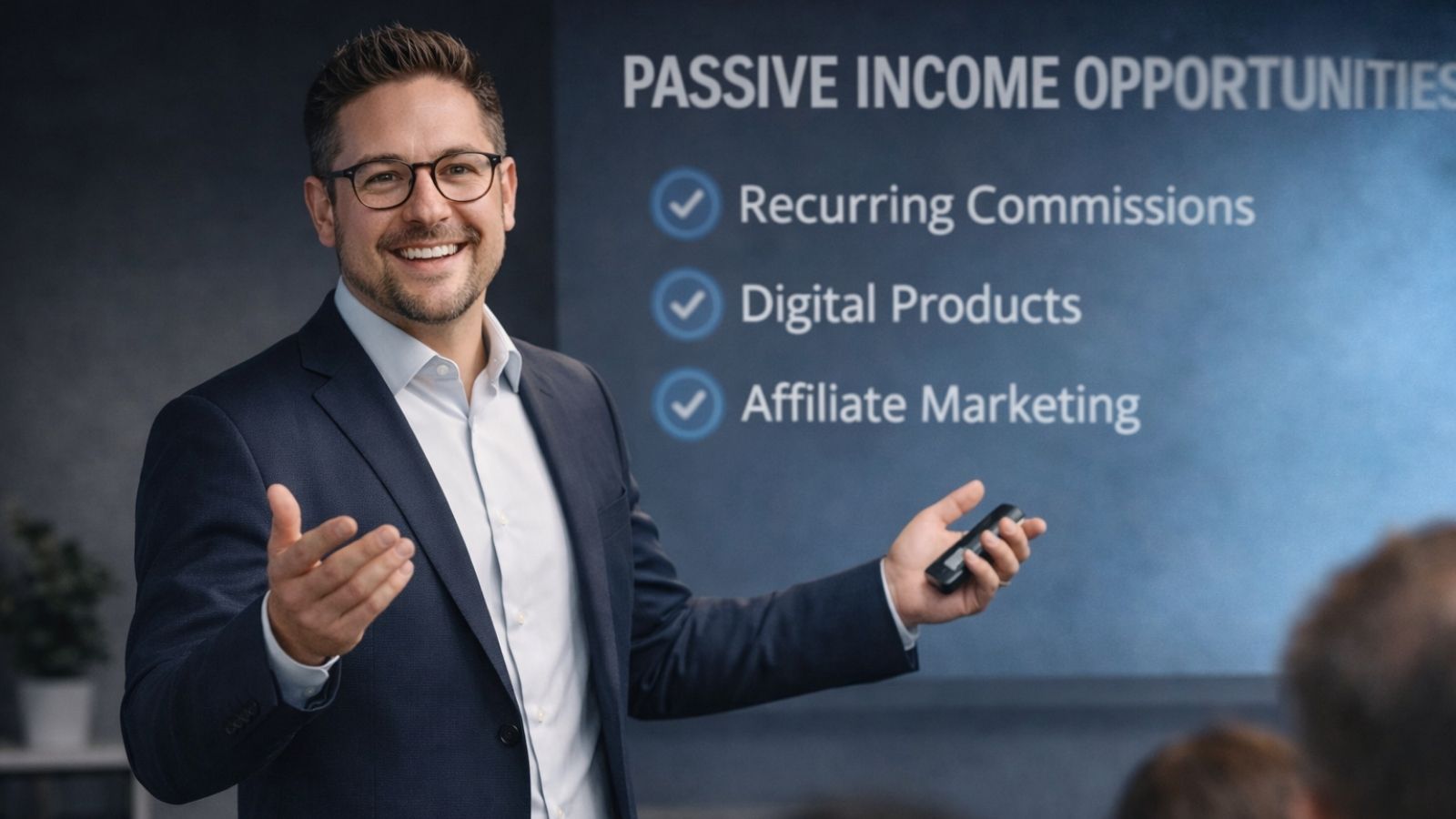
Few phrases in online business create more confusion than “passive income.” In affiliate marketing, the term is often used loosely, sometimes irresponsibly. Newcomers are told they can earn while they sleep, while experienced marketers quietly know that effort never fully disappears.
This disconnect has led to a recurring debate: Is affiliate marketing genuinely passive, or is the idea overstated? The answer sits somewhere in between, and understanding that distinction is critical before choosing any system or strategy.
This article looks at what passive income realistically means in affiliate marketing, why expectations often clash with reality, and how recurring models fit into the picture.
Why the Passive Income Label Causes Problems
The phrase “passive income” suggests effort-free earnings. That interpretation sets people up for disappointment. In affiliate marketing, income becomes passive only after a period of active setup, testing, and refinement.
Most frustration comes from timing. Beginners expect passivity too early. They compare their first few weeks to the end results of someone else’s multi-year system.
Affiliate marketing is better understood as front-loaded work with backend leverage. The leverage comes later, but only if the structure supports it.
Where Affiliate Income Can Become Semi-Passive
Affiliate income becomes less active when systems replace manual tasks. Instead of daily promotion, the focus shifts to maintaining assets that continue to perform.
Recurring commission models accelerate this transition. Because payments repeat monthly, each successful referral continues contributing without additional promotion. Over time, the ratio of effort to reward improves.
However, this only works when churn is low and systems are stable. Otherwise, affiliates find themselves constantly replacing lost income, which feels anything but passive.
Why One-Time Commissions Rarely Feel Passive
One-time commission models reset constantly. Each sale requires fresh effort. Even high-ticket payouts lose their appeal when income drops back to zero the following month.
This is why many affiliates eventually gravitate toward recurring offers. Not because they are easier, but because they reward consistency instead of constant reinvention.
That said, recurring models are not magic. They still require alignment between offer, traffic, and follow-up.
The Role of Systems in Passive Income Claims
The difference between active and semi-passive affiliate income is almost always structural. Systems that integrate offer selection, messaging, traffic, and automation reduce the need for daily intervention.
Without a system, affiliates become the glue holding everything together. When they stop working, income stops too. With a system, effort shifts from execution to oversight.
This is where done-for-you frameworks enter the conversation. They are not passive by default, but they are designed to reduce manual complexity. Systems like DFY Commission Hijacker are often evaluated through this lens because they emphasize recurring commissions and automation over personal promotion.
If you want a grounded explanation of how such a system positions itself in the passive income debate, the main review here breaks down what is automated, what is not, and where effort is still required:
see the full DFY Commission Hijacker analysis here
What Results Typically Look Like Over Time
In the first month, affiliate marketing is rarely passive. Most effort goes into learning and setup. By the second and third months, systems begin to stabilize. This is where recurring commissions start to feel different.
Instead of chasing new sales, affiliates monitor performance. Adjustments are smaller. Income becomes more predictable. While not fully passive, it becomes less time-intensive.
This stage is where expectations often reset. The myth dissolves, but a more sustainable reality replaces it.
Who Passive Models Work Best For
Semi-passive affiliate models suit people who prefer systems over spotlight. They reward patience, consistency, and long-term thinking. They do not suit those seeking immediate income or constant novelty.
Understanding this distinction early prevents frustration later.
Final Perspective
Affiliate marketing is not passive in the beginning, and pretending otherwise does more harm than good. However, with the right structure, recurring income models can significantly reduce ongoing effort over time.
The key is not chasing passivity, but building leverage. When leverage compounds, effort becomes optional rather than mandatory.